
KA02 Assessment for New Zealand Engineers


100% Accuracy

ZERO AI Content

Verified writers

Built-in discounts

Data security
⚡ Key Takeaways
- Purpose: Engineering New Zealand (EngNZ) assessed to demonstrate that an overseas engineer has the same academic knowledge as a NZ-accredited Bachelor of Engineering with Honours (BE(Hons)).
- Who Needs It: Engineers who do not have accredited qualifications from the Sydney Accord or the Dublin Accord, and engineers who would like to be Chartered (CPEng) in New Zealand.
- End-to-End Support: Get end-to-end support from document preparation to final submission
- Core Focus: Theory (Math, Physics & Engineering science) depth, critical analysis and complex problem solving from first principles, not just relevant to practical work experience.
- Key Requirements: Must be analytical, clearly referenced to the EngNZ Stage 1 Competencies, written in a postgraduate academic style, and reference NZ Standards and Building Codes.
- Expert support for engineers with non-Washington Accord qualifications
- Career Importance: It is one of the requisite steps for CPEng status, project sign-off authority, and world-wide mobility in accordance to Washington Accord.
- Common Pitfalls: This type of report, which is likely to be descriptive (e.g., a basic CV), or to be lacking in theoretical content is more likely to be rejected and/or delayed for "Further Information Required".
- Value of Expert Help: Academic rigor, competency mapping precision, 100% original, confidential content, and first-attempt approval.
- Professional support: Receive personalized guidance for every stage of the KA02 process
- Guaranteed Compliance: Save time with expert-reviewed, assessment-ready KA02 documentation
- Verdic: Increase your chances of a positive Engineering New Zealand assessment
- Take the next step toward engineering recognition with expert KA02 support
Engineering New Zealand (EngNZ) is the top professional indicator for engineers wanting to migrate to New Zealand or become Chartered (CPEng). EngNZ use the KA02 Competency Assessment (previously part of the wider CPEng application) as a key part of the selection process, whereas other jurisdictions give very little weight to this document.
The KA02 Report is not a generic CV update, but a well-researched and rigorous account in which candidates need to show that they have demonstrated the competencies of the Washington Accord. It requires a critical and reflective examination of your use of engineering knowledge, ability to solve complex problems, project management and ethics in real world examples.
There is a significant number of highly technically qualified engineers who have difficulty converting their skills to the technical domain into the language of EngNZ assessors which is reflective and competency mapped. An ill-structured KA02 typically leads to a "Further Information Required" or "NO" response, causing the delays in career advancement and in visa applications by several months.
WritingAhead specializes in the creation of KA02 Technical Reports and Knowledge Area submissions that connect your work and your academic expectations from ENZ.
Knowledge Area 2 (KA02) is centered on "Engineering Knowledge and Application. KA02 Assessment is provided for applicants who have engineering qualifications that are not accredited under the Sydney Accord or the Dublin Accord. While the CDR Report is more oriented towards evidence of professional experience, the KA02 is mainly for evidence of academic knowledge. The KA02 submission must show you can do more than just a CV or a job description, it must show you are able to:
ENZ assessors are seeking evidence of a knowledge base equivalent to a Bachelor of Engineering with Honours degree from New Zealand, accredited by the New Zealand Ministry of Education.
Your technical legitimacy is confirmed by KA02 Assessment by Engineering New Zealand (ENZ). It's not only about experience, it's about proving your theory is on par with the academic standards of the area where you live.
KA02 is an Assessment by Engineering New Zealand (ENZ) that confirms your engineering knowledge is at the academic level of a New Zealand-accredited Bachelor of Engineering with Honours degree. It has the primary functions of:
| Sr. No. | Challenge | Our Solution |
|---|---|---|
| 1 | Strategic Technical Report Structuring Engineers often describe project activities but fail to demonstrate the analytical engineering principles behind their decisions. |
We structure your report to emphasize the theoretical foundation of your work. We clearly connect your activities with core engineering principles such as mechanics, thermodynamics, fluid dynamics, and materials science, explaining both the how and the why behind every engineering decision. |
| 2 | Explicit Mapping to ENZ Competencies ENZ evaluates KA02 submissions against Stage 1 Competency Indicators. Missing evidence often results in requests for additional information or rejection. |
We map your case studies directly to the ENZ Stage 1 Competencies and ensure clear evidence of:
|
| 3 | Elevating Technical Depth and Complexity Assessors expect evidence of professional (chartered-level) engineering practice rather than graduate-level work. |
We help you select projects that demonstrate technical complexity, non-routine problem-solving, design optimisation under constraints, and the use of advanced engineering tools such as FEA, CFD, and BIM. |
| 4 | Flawless Academic and Professional Tone KA02 reports should read like professional postgraduate technical documents. |
Our experts refine your writing by improving clarity, technical accuracy, objectivity, and academic style while maintaining correct engineering terminology throughout the report. |
| 5 | Comprehensive Referencing and Evidence ENZ requires strong supporting evidence to validate engineering competency claims. |
We strengthen your submission with technical diagrams, calculations, code snippets, references to New Zealand Standards (NZS), Building Code clauses, and relevant academic literature. |
KA02 Assessment is normally required for applicants who:
For candidates who hold engineering qualifications from other countries, in line with international engineering accords, other assessment pathways may be available.
| KA02 For Electronics Engineering | KA02 For Environmental Engineering | KA02 For Mechanical Engineering |
| KA02 For Electrical Engineering | KA02 For Civil Engineering | KA02 Polymer Engineering |
| KA02 Textile Engineering | KA02 Structural Engineering | KA02 Telecommunication Engineering |
| KA02 For IT Professionals NZ | KA02 For Instrumentation Engineering | KA02 For Aerospace Engineering |
| KA02 For Software Engineering | KA02 For Building Services Engineering | KA02 For BIO Engineering |
| KA02 For Chemical Engineering | KA02 For Fire Engineering | KA02 For Engineering Management Practice Filed |
| KA02 For Geotechnical Engineering | KA02 For Industrial Engineering | KA02 For Mining Engineering |
| KA02 For Petroleum Engineering | KA02 For Transportation Engineering | KA02 For Aeronautical Engineering |
| KA02 For Power Engineering | KA02 For Control Engineering | KA02 For Electronics Engineer |
Your theoretical engineering knowledge is verified by The KA02 assessment from Engineering New Zealand (ENZ) here at WritingAhead we handle the preparation process so as to ensure your submission is the right one from the start. This is the simple way:
If you need to be assessed in Engineering New Zealand (ENZ) KA02, having WritingAhead experts help is a sure way to pass first time, because we do the following:
Secure your CPEng status with a flawless submission.
WritingAhead recognizes that KA02 is an academic/technical hybrid. We don't just write about what you built, we explain all the math, physics and engineering you used.
We are the top experts for Engineering New Zealand's KA02 assessment, as we know that it is a test of theoretical science, not practical experience.
If your qualification isn't covered by the appropriate accreditation pathway, a KA02 Report helps demonstrate your engineering knowledge and competency for assessment.
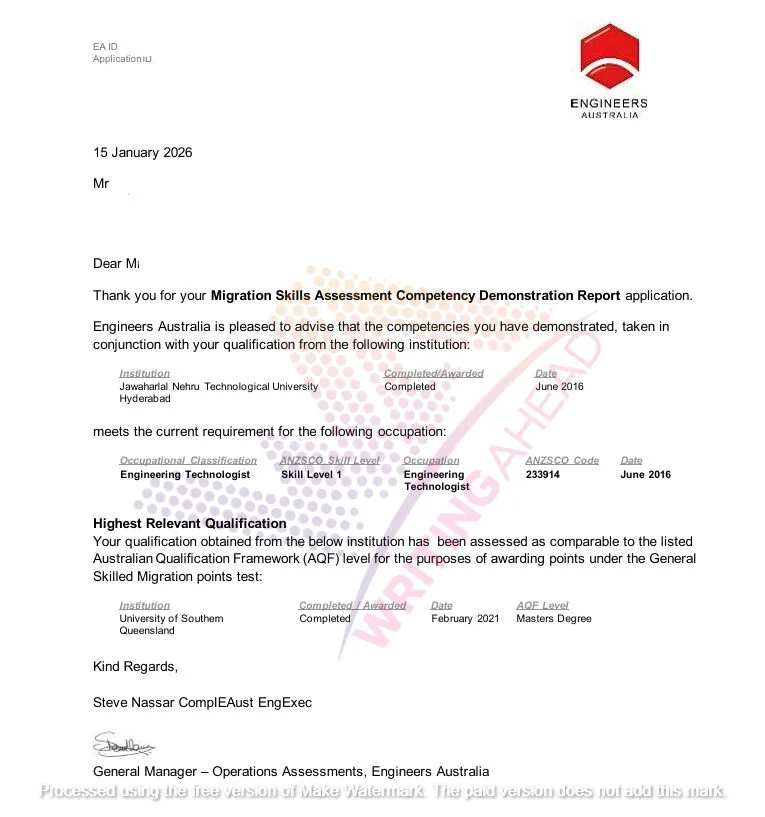
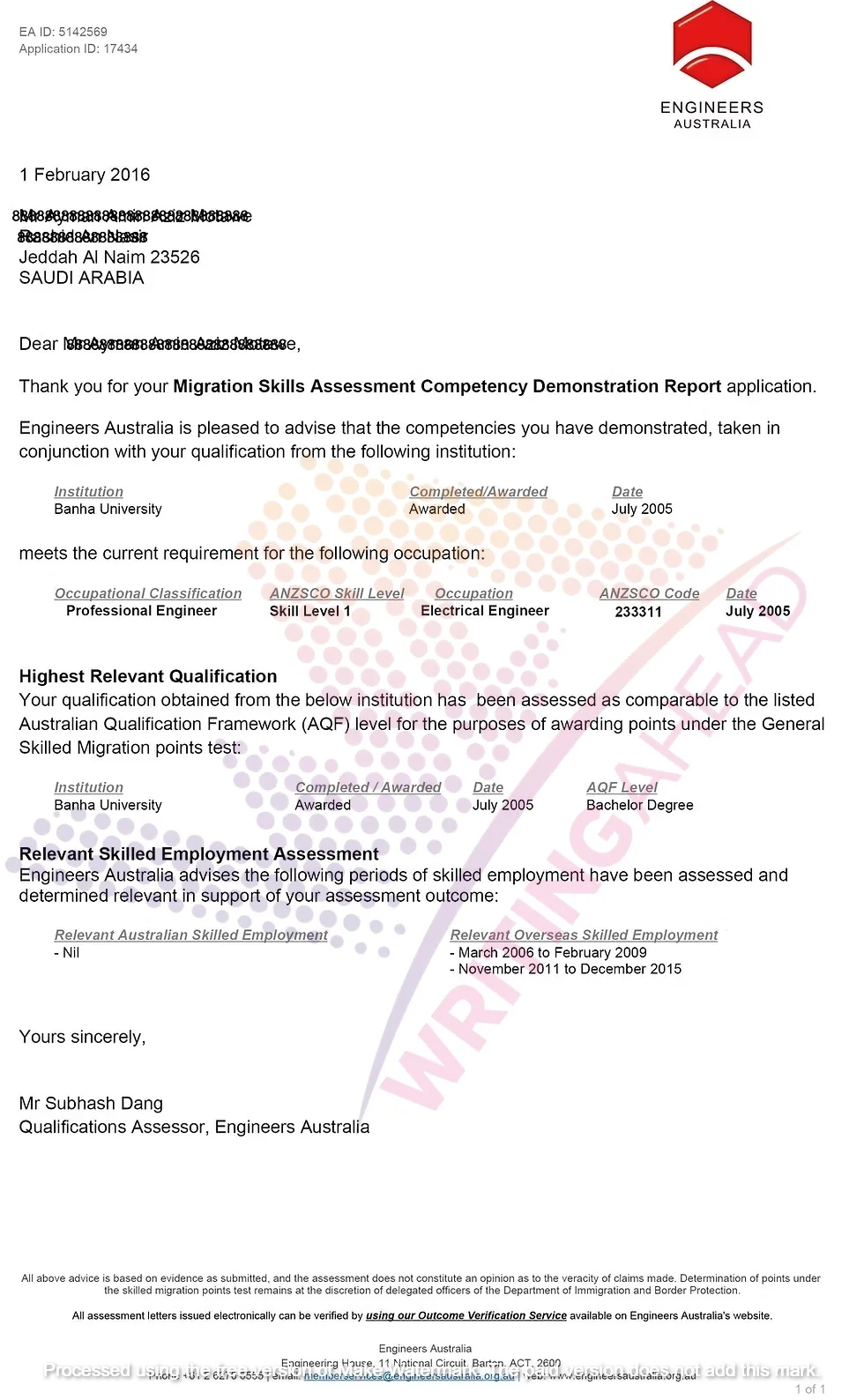
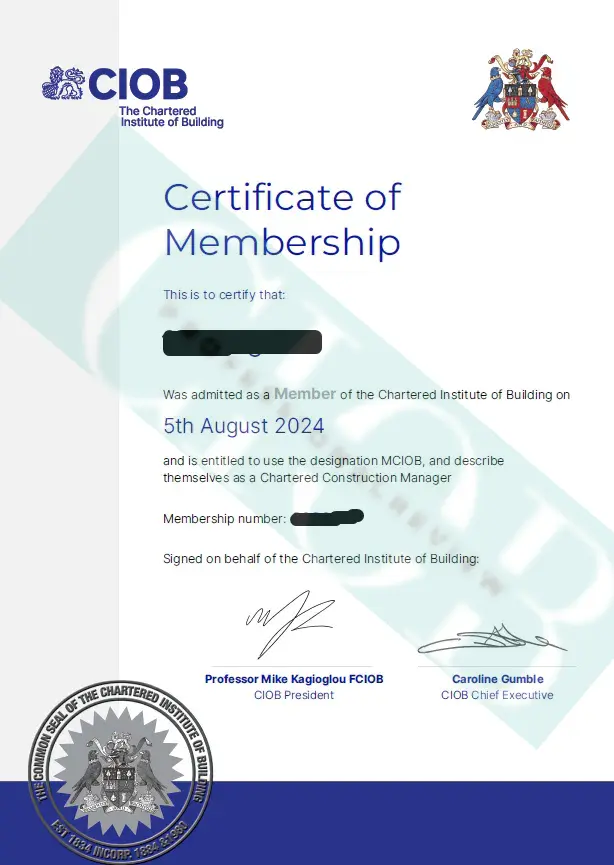
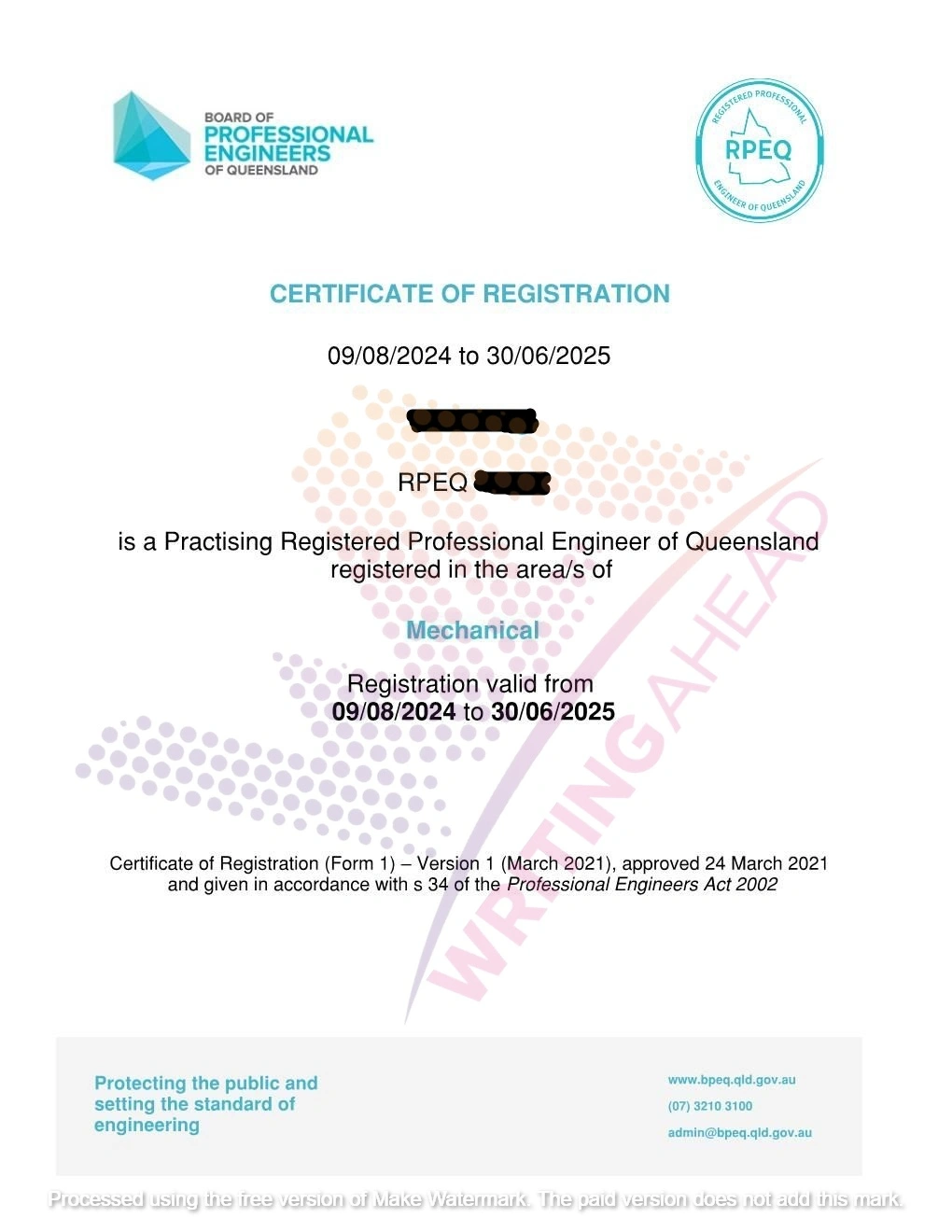

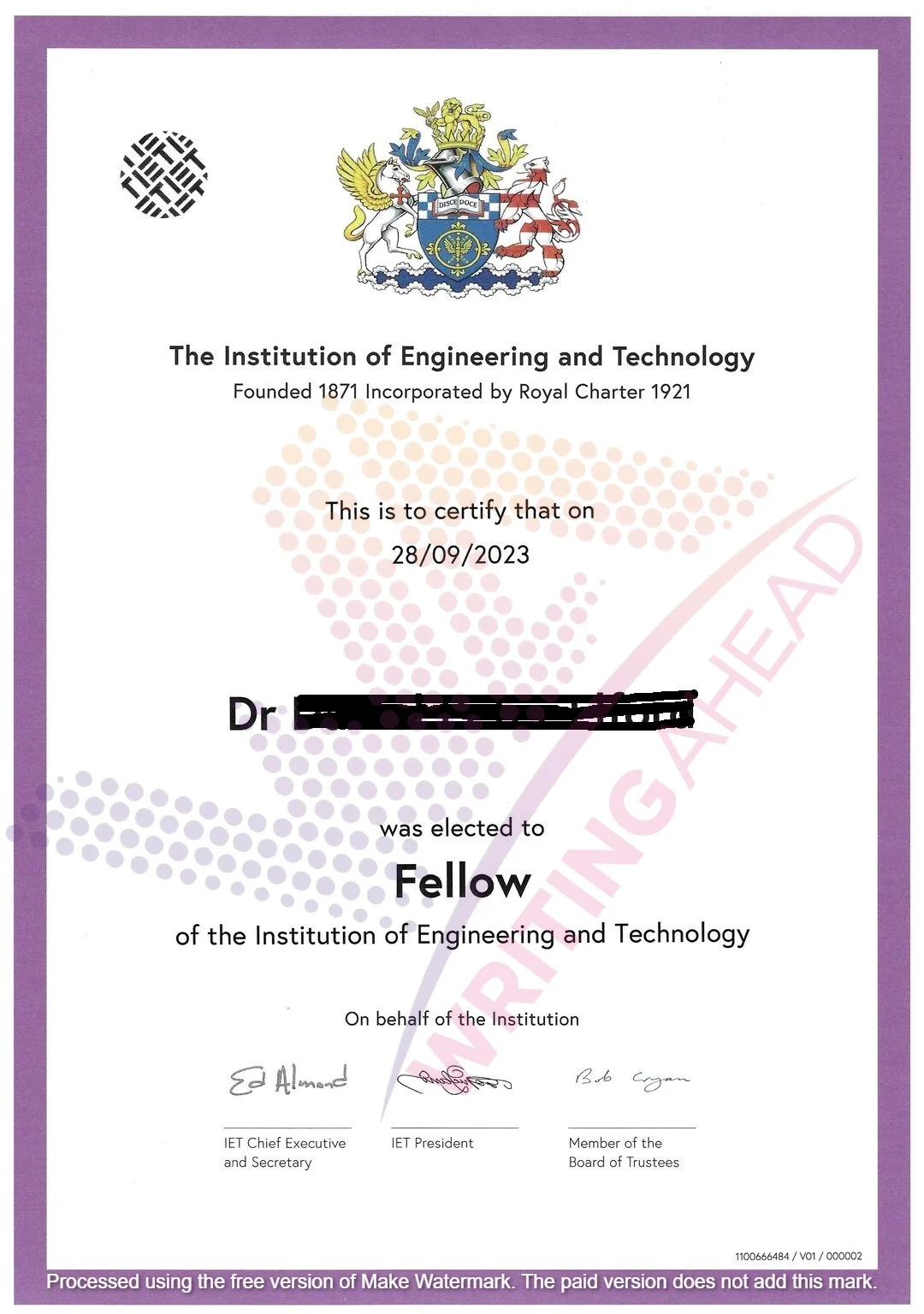
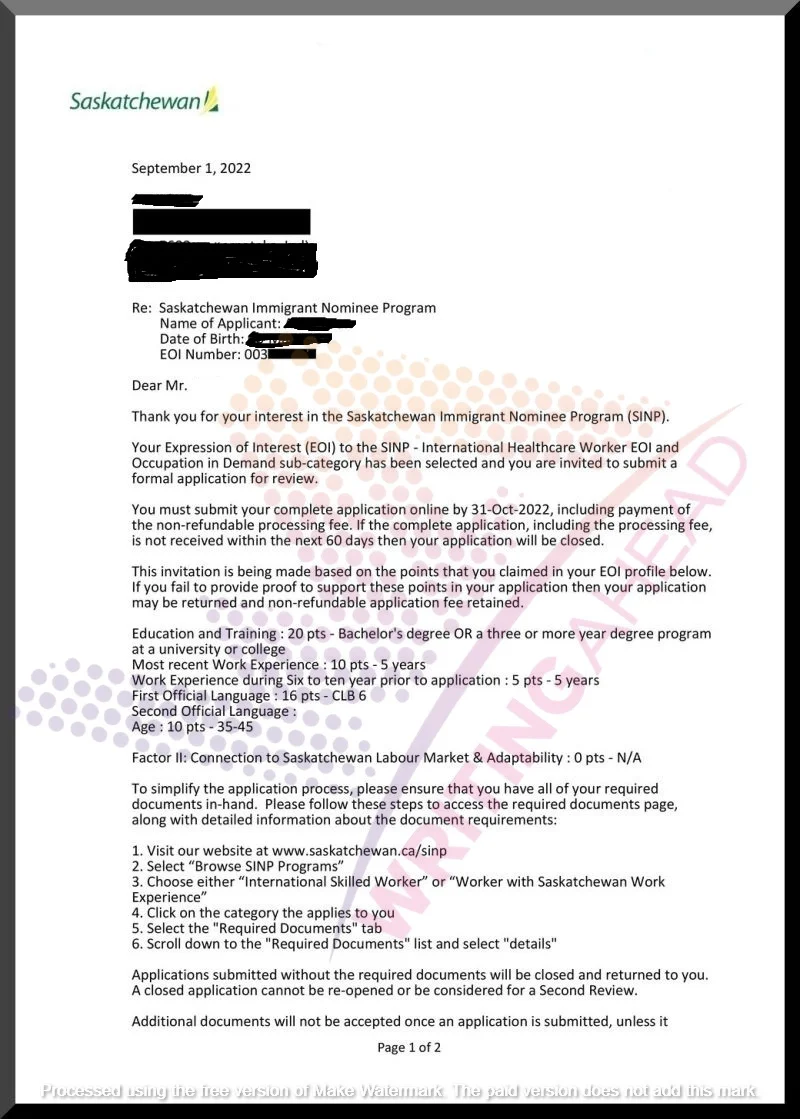
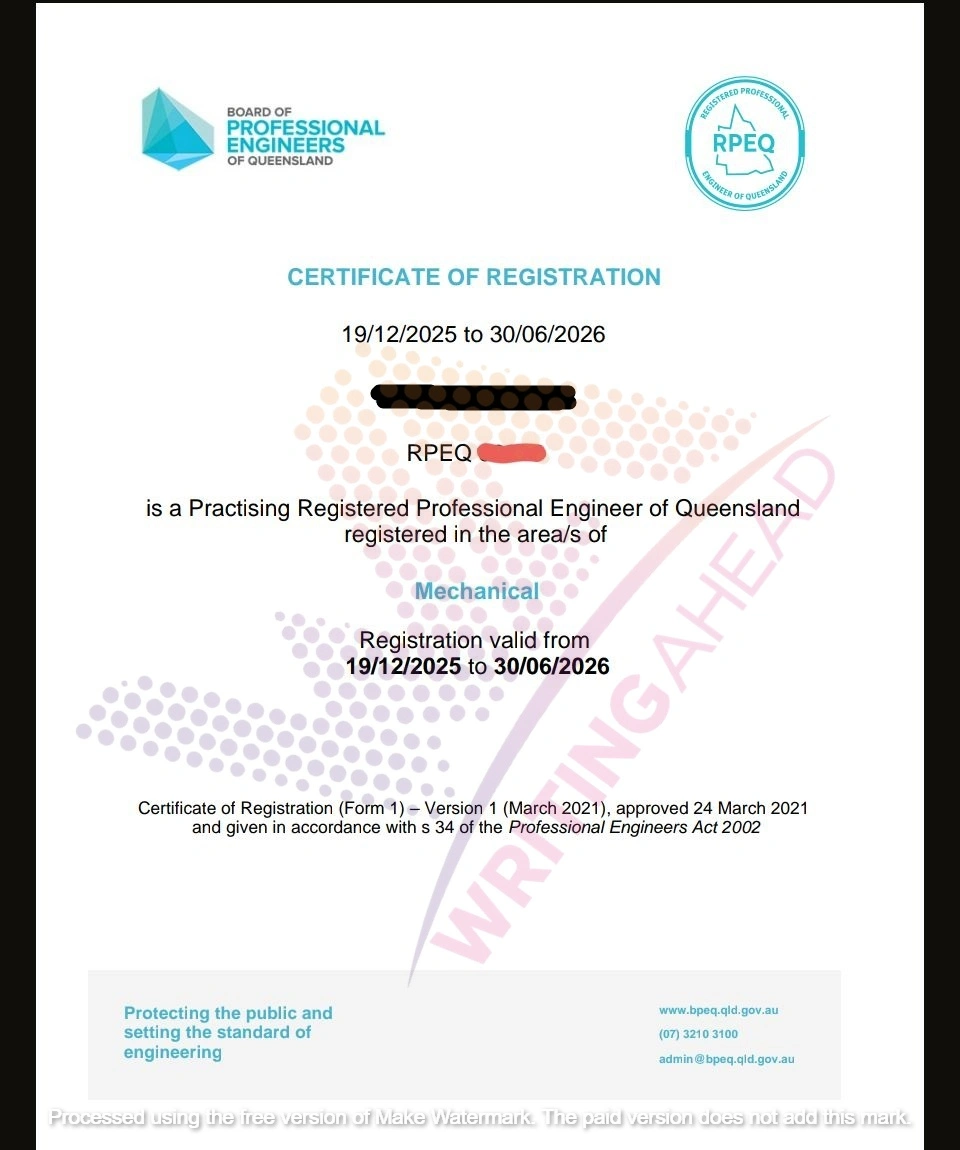
Yes, real work projects can be used on a KA02 application, but all confidential information must be deleted beforehand. This means that client names, company names, costs, site addresses, employee names and any sensitive design or financial data are not visible.
Use evidence, like qualifications, CV, employment references, project reports, technical work samples and professional certificates in your KA02 application.